When Pain Becomes Part of Daily Life
Everyone experiences pain from time to time — it's your body's alarm system telling you something is wrong. But for many people, the alarm never stops ringing, even after the original injury has healed. That's chronic pain.
Chronic pain is defined as pain lasting more than three months. It can occur anywhere in the body — neck, back, shoulders, head, abdomen — and it can range from mild, nagging discomfort to debilitating pain that takes over your entire life.
An estimated 20-30% of the population lives with some form of chronic pain, making it one of the most widespread health conditions in the world.
Why Won't the Pain Stop?
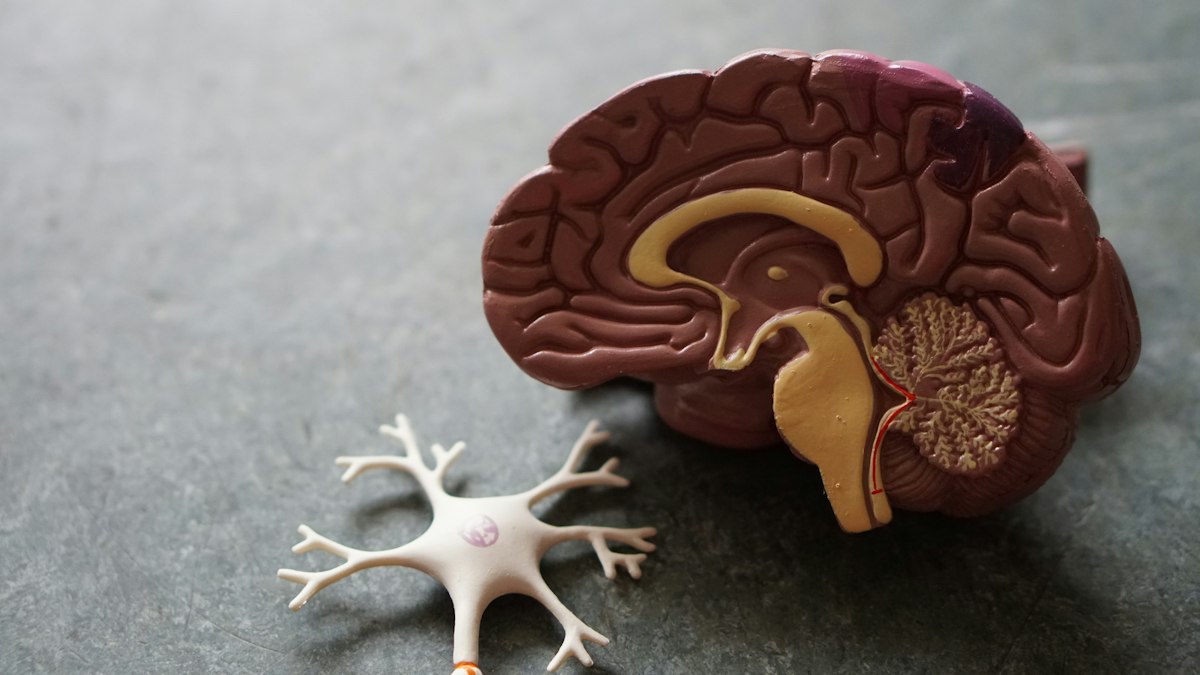
To understand chronic pain, we need to understand what happens in the nervous system. Normally, nerves send pain signals to the brain when there's an injury. The brain interprets the signal, and you feel pain. When the injury heals, the signals stop.
But with chronic pain, something different happens. The nervous system becomes hypersensitive — it sends pain signals even when there's no longer an active injury. Scientists call this "central sensitization." The brain and nervous system have essentially learned to feel pain and continue doing so.
This means chronic pain isn't just "in your head" — it's a real, neurological condition where the nervous system functions differently.
The Bioelectric Dimension of Pain
Modern biophysics has revealed that pain signals are not only chemical but also electromagnetic. Nerve cells communicate via electrical impulses, and disruptions in your body's bioelectric field can amplify pain signals. When the cellular field is out of balance, it can become harder for your body to regulate pain naturally.
Natural Methods for Pain Relief
Movement and Physical Activity
It may seem paradoxical to move more when you're in pain, but the research is clear: moderate, regular activity is one of the most effective methods for chronic pain relief. Movement releases endorphins (your body's natural painkillers), improves blood circulation, and reduces muscle stiffness.
Start gently — a short daily walk is better than nothing. Swimming is excellent because the water supports your body while you exercise.
Breathing Exercises and Relaxation
Deep, slow breathing activates the parasympathetic nervous system — your body's "rest and digest" system. This lowers stress hormones, reduces muscular tension, and can directly dampen pain signals.
Try the 4-7-8 technique: Breathe in for 4 seconds, hold for 7, and breathe out for 8. Do this 4-5 times for immediate effect.
Mindfulness and Meditation
Multiple studies show that mindfulness meditation can change how the brain processes pain signals. By observing pain without reacting emotionally to it, you can reduce the mental amplification of the pain experience.
Just 10-15 minutes of daily mindfulness can show noticeable effects after a few weeks.
Heat and Cold
Heat loosens tense muscles and increases blood circulation, while cold reduces inflammation and numbs nerve endings. For chronic pain, many professionals recommend a combination — heat first to release tension, then cold to reduce inflammation.
Sleep
Pain and sleep have a two-way relationship — pain disrupts sleep, and poor sleep amplifies pain. Prioritizing good sleep hygiene can therefore have a direct effect on your pain levels.
Diet
Chronic inflammation is often a contributing factor in chronic pain. An anti-inflammatory diet rich in omega-3, vegetables, berries, and nuts can help reduce the underlying inflammation.
Frequency Therapy: Supporting Your Body's Natural Pain Regulation
Frequency-based approaches to pain relief focus on restoring balance to your body's bioelectric field. Research in biophysics shows that electromagnetic fields can influence chemical and bioelectric reactions in the body by modifying molecular motion, modulating electronic energy states, and reducing entropy.
FrequenCell builds on over 30 years of biophysical research. The technology copies nature's frequencies and mimics them with advanced algorithms to support cell communication. Lab results show a 25% increase in cell regeneration and a 60% increase in metabolism.
ReliefCell — For General Pain Relief
ReliefCell is FrequenCell's most universal pain relief solution. It's designed to support your body in regulating pain signals naturally, regardless of where the pain is — neck, back, shoulders, toothache, muscle pain, or general body pain.
Place it near the pain zone for best effect, but many users report systemic effects — meaning pain relief beyond the local area. ReliefCell is 100% natural, chemical-free, and lasts 9-12 months.
You Don't Have to Choose Just One Method
Chronic pain is complex, and most people find the greatest relief through a combination of approaches. Movement, relaxation techniques, good sleep, proper nutrition, and frequency support can together create a holistic strategy that addresses pain from multiple angles.
If you have chronic pain in specific joints, a combination of ReliefCell and OsteoCell may be worth considering. If inflammation is a factor, EaseCell can provide additional support.
Take Back Control
Chronic pain can feel overwhelming, but you're not powerless. Every positive change — a walk, a better meal, a few minutes of breathing exercises — is a step in the right direction. Your body wants to find balance — give it the tools it needs.
Important Note: FrequenCell products are energetic, not medical. They make no health claims or diagnoses. If you have serious health problems, always talk to a healthcare provider.